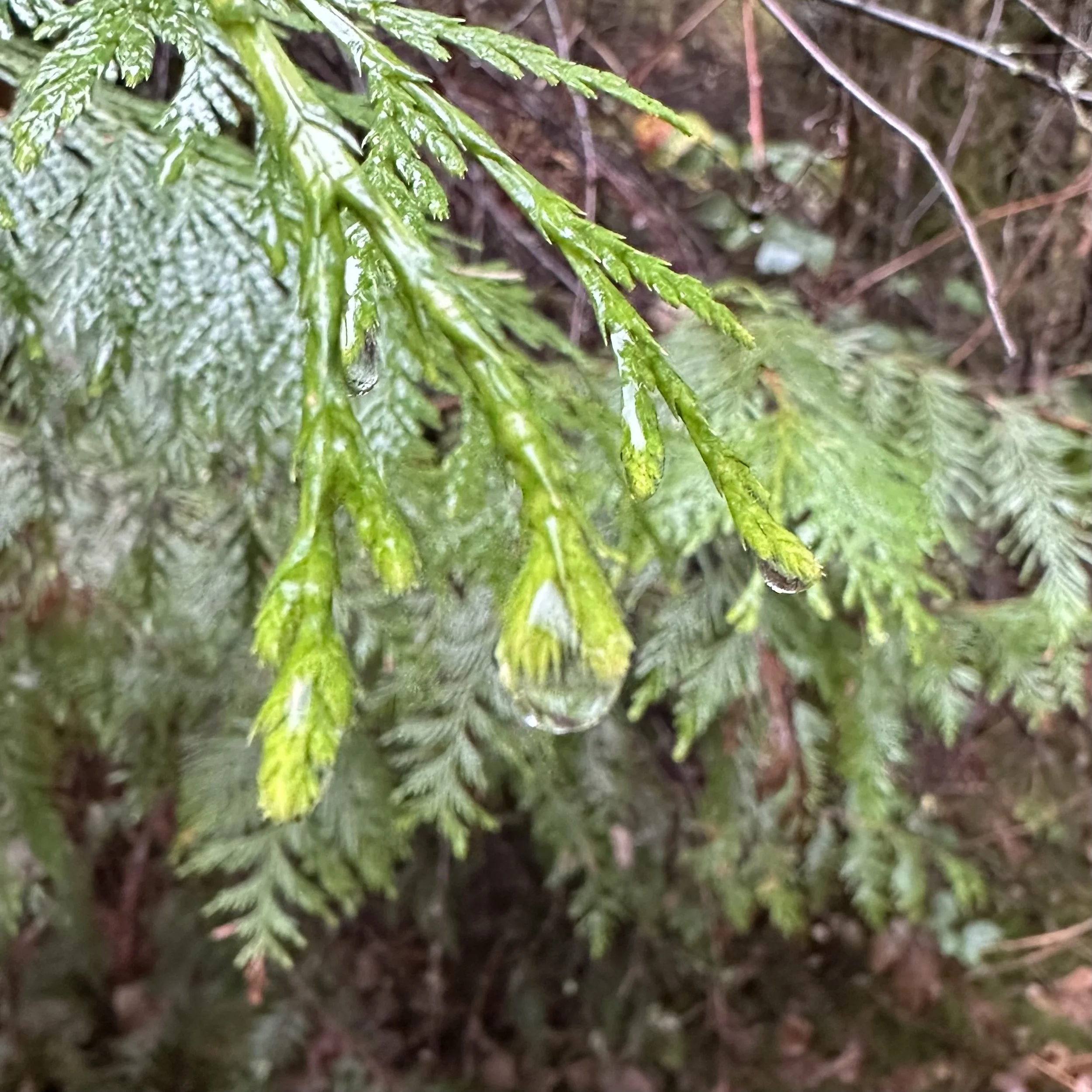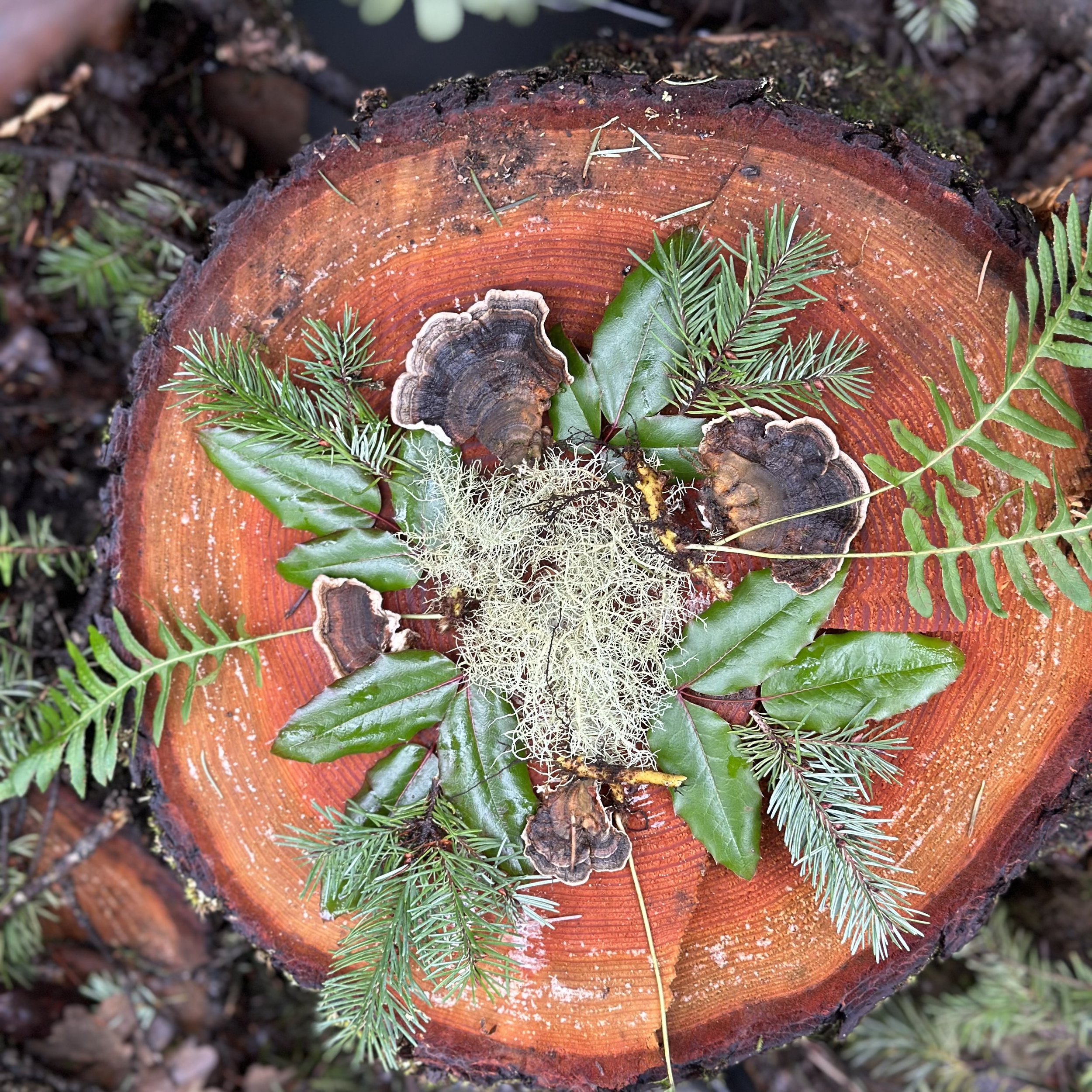
The leaves lie thick along the moss-covered path, muffling my footsteps as I breathe in the cool, moist morning air…medicine itself. I am beginning my 28th year in relationship with this land—an intimate, personal journey with the medicine of place. Nature as healer. As connection. As a source of wellness she longs for reciprocity in return.
From late fall through early spring, the roots, rhizomes, fungi, and lichens come into their fullness. They thrive in the cool, damp quiet of this season, revealing their inherently cooling energetics. Beneath the soil, roots gather and concentrate their medicine, wintering in stillness while anticipating spring’s call above ground. This is the time to harvest these nutrient-dense allies—roots, rhizomes, and fungi—with care and reverence, mindful to give thanks for the lives we are taking.
Ethical foraging is essential, especially when working with our native plants. We take only from large, healthy stands, and only what we need for personal use. So many plants are now at risk—too many hands taking too much from landscapes already under strain.
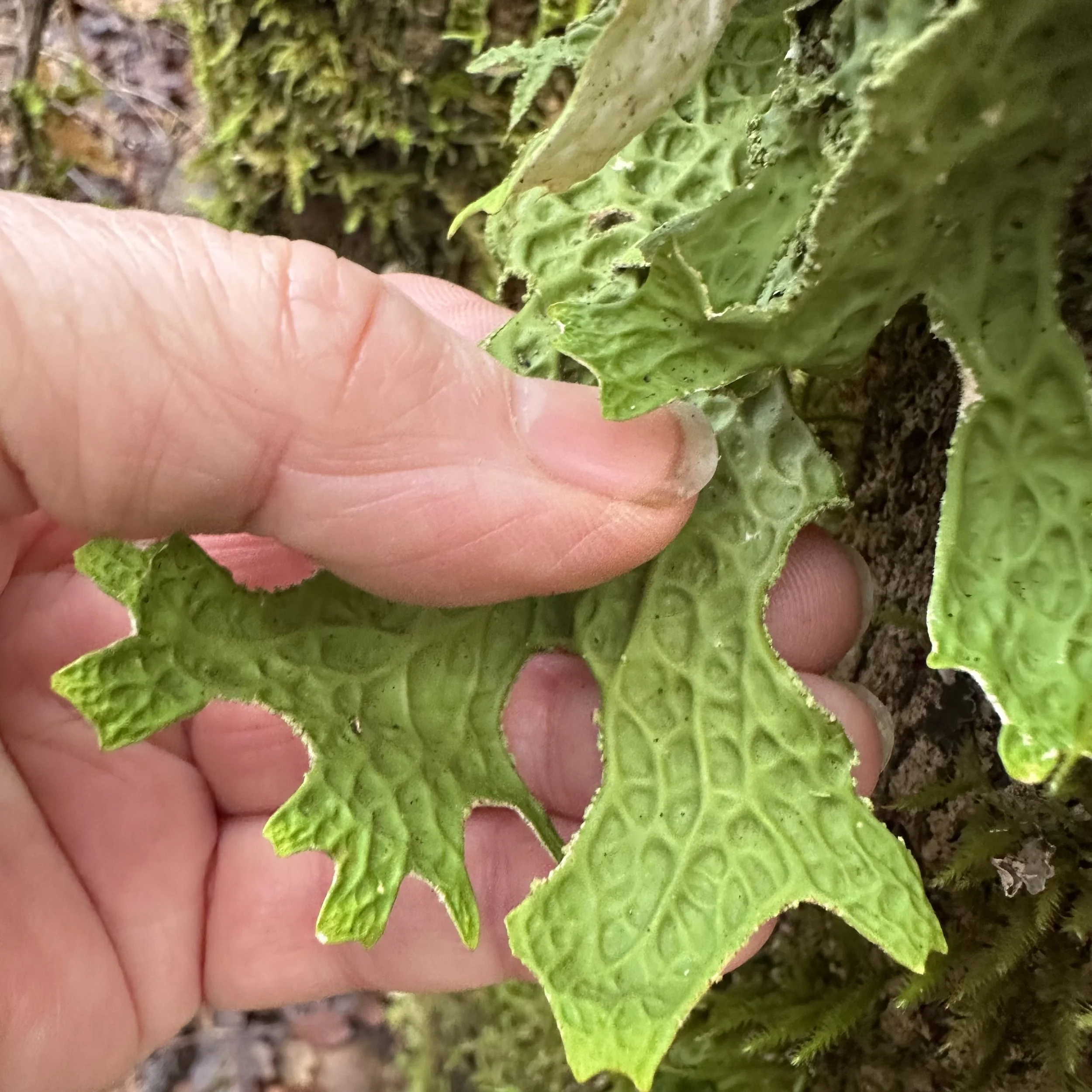
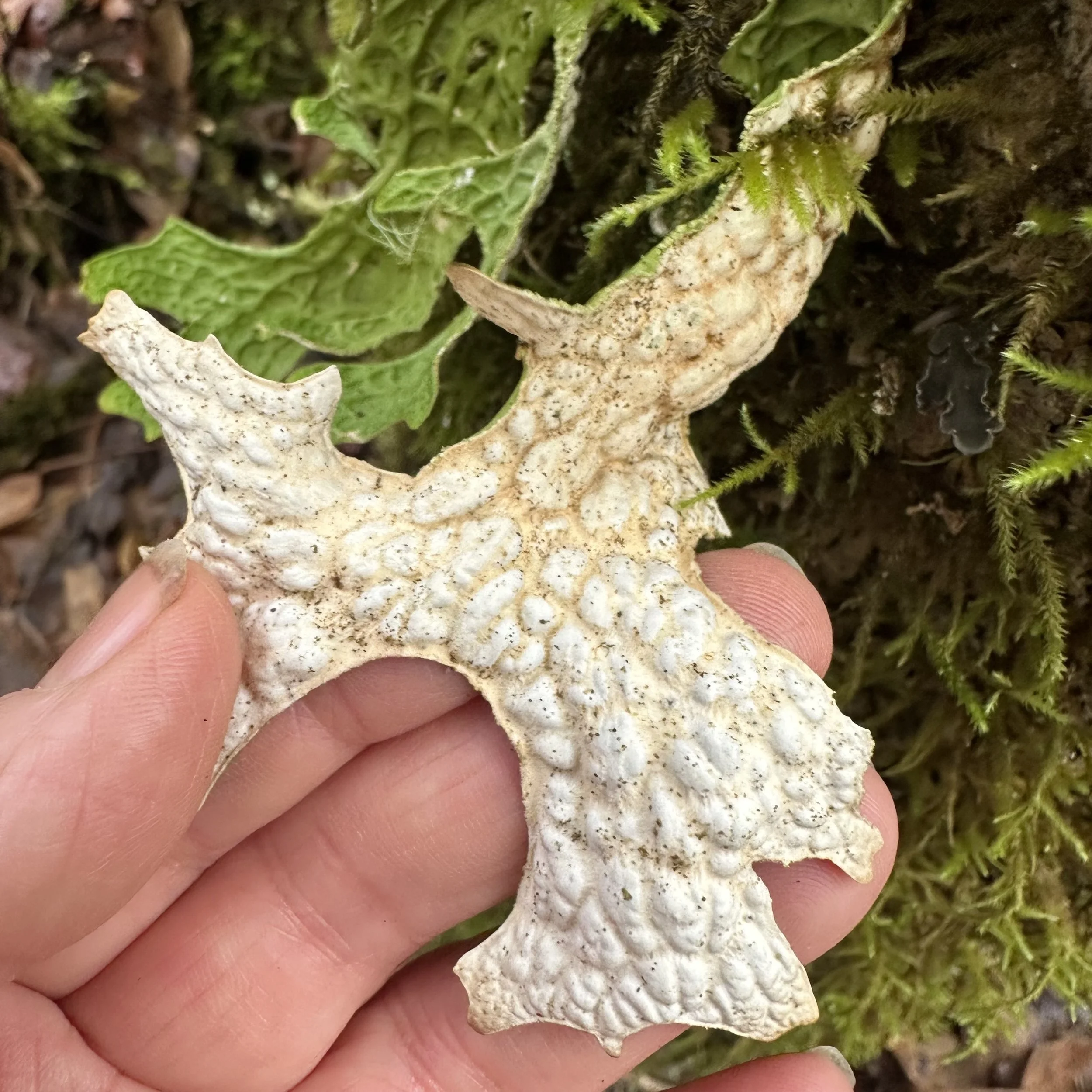
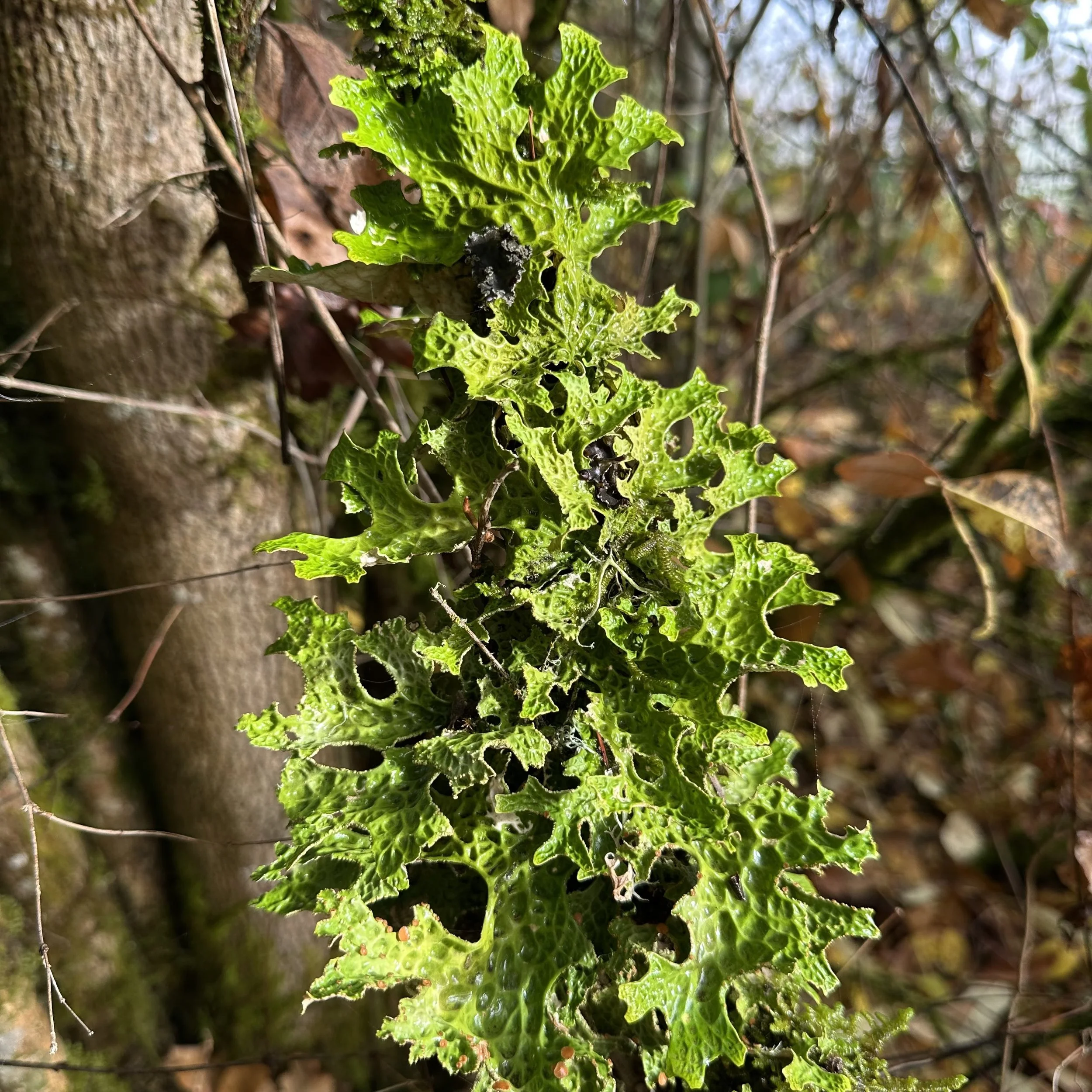
In the forest I steward, a few vulnerable species still remain, though deforestation and environmental pressures continue to shift the land. One such being is Lobaria pulmonaria, commonly known as Lungwort Lichen. “Lobaria” translates to “many lobed,” and “pulmonaria” to “lung organism”—a reflection of its form and its traditional use. The doctrine of signatures reveals itself clearly here, echoing how Indigenous peoples once worked with this lichen as a respiratory ally.
In this region, Lungwort makes its home primarily on Oregon Ash trees and requires clean, undisturbed forest to thrive. A few years ago, we learned that the invasive Emerald Ash Borer had entered our area, threatening these trees. Alongside this, human impact continues to alter the ecosystem. What was once an old-growth forest bordering our land is now a vineyard. Where there was deep shade, there is now open sun—an environmental shift that weakens and often kills the ash trees that remain.
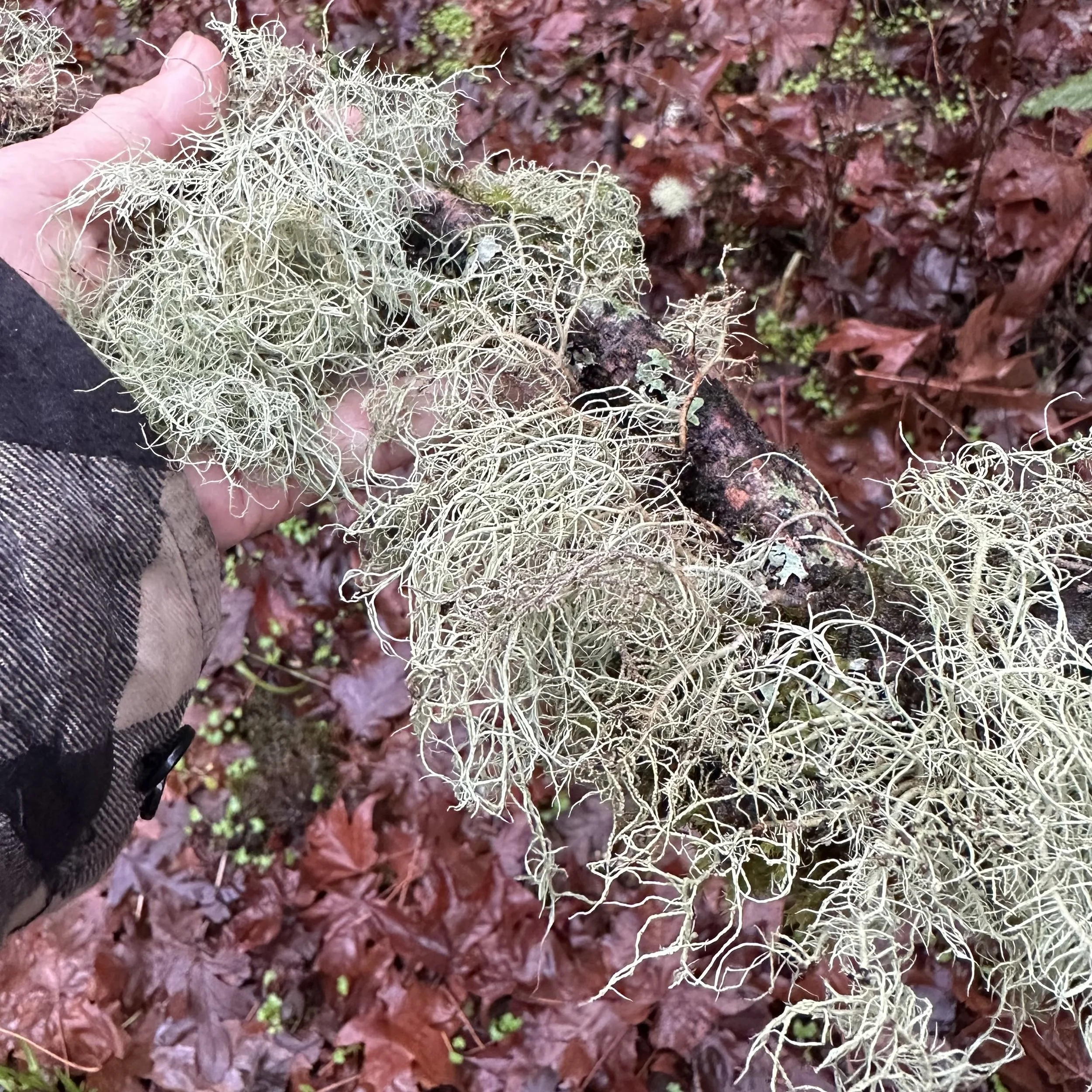
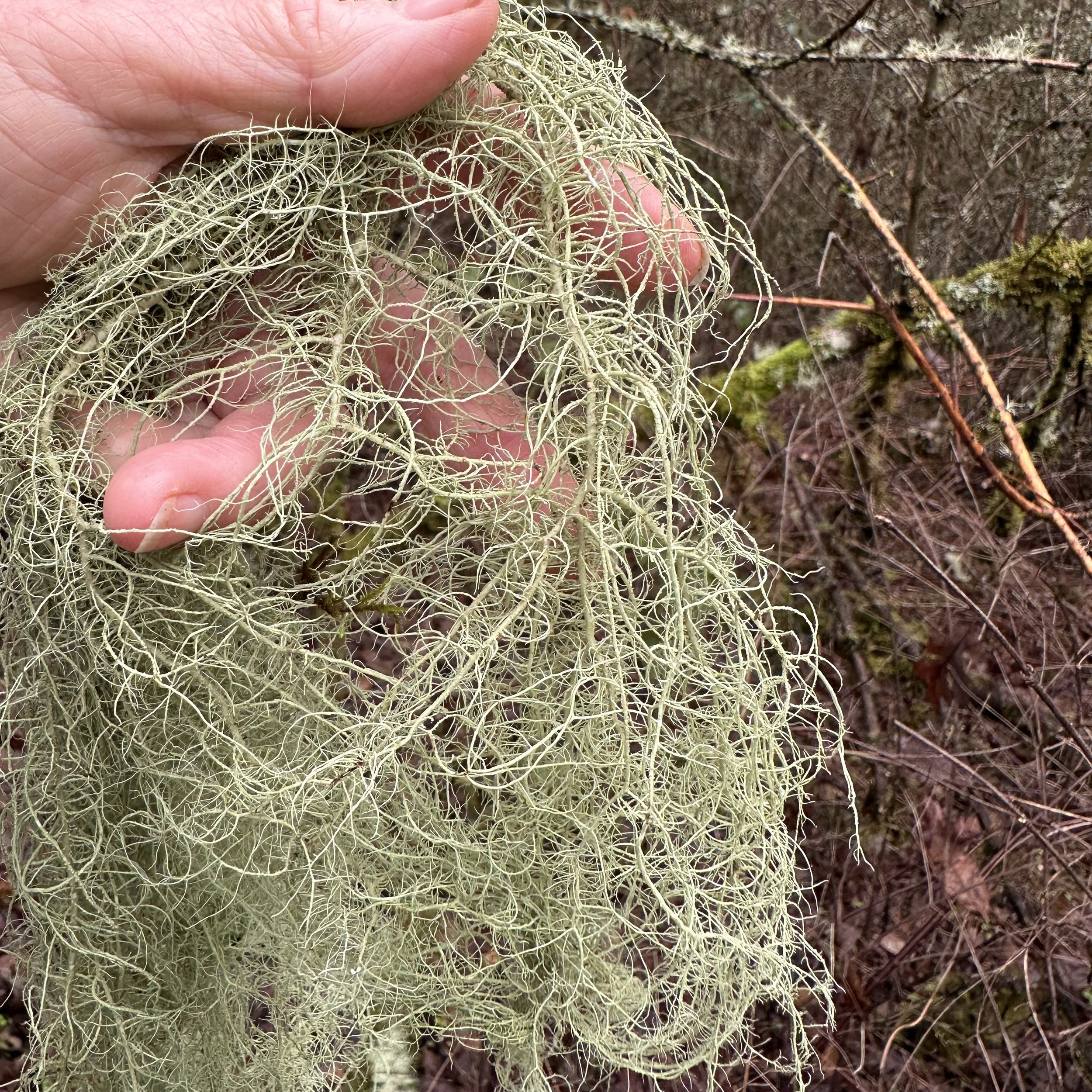
Another lichen I have come to know and love is Usnea spp.—a slow-growing, delicate being that also depends on clean air and intact ecosystems. These lichens are best gathered after windstorms, when they have naturally fallen from the trees, rather than being pulled from the canopy. Both Lungwort and Usnea play important ecological roles as carbon capturers, contributing to soil health and cooling the forest floor through decomposition.
Traditionally used by Indigenous peoples and herbalists alike, these lichens support the respiratory system. Usnea, with its fine, branching structure, mirrors the bronchioles of the lungs and is often used for bronchitis, coughs, and infections. It also has an affinity for the urinary tract, which resembles the respiratory system in reverse. Both Usnea and Lungwort are known for their antimicrobial and immune-supporting properties, though modern scientific research remains limited. They offer their fullest medicine when prepared as a double extraction.
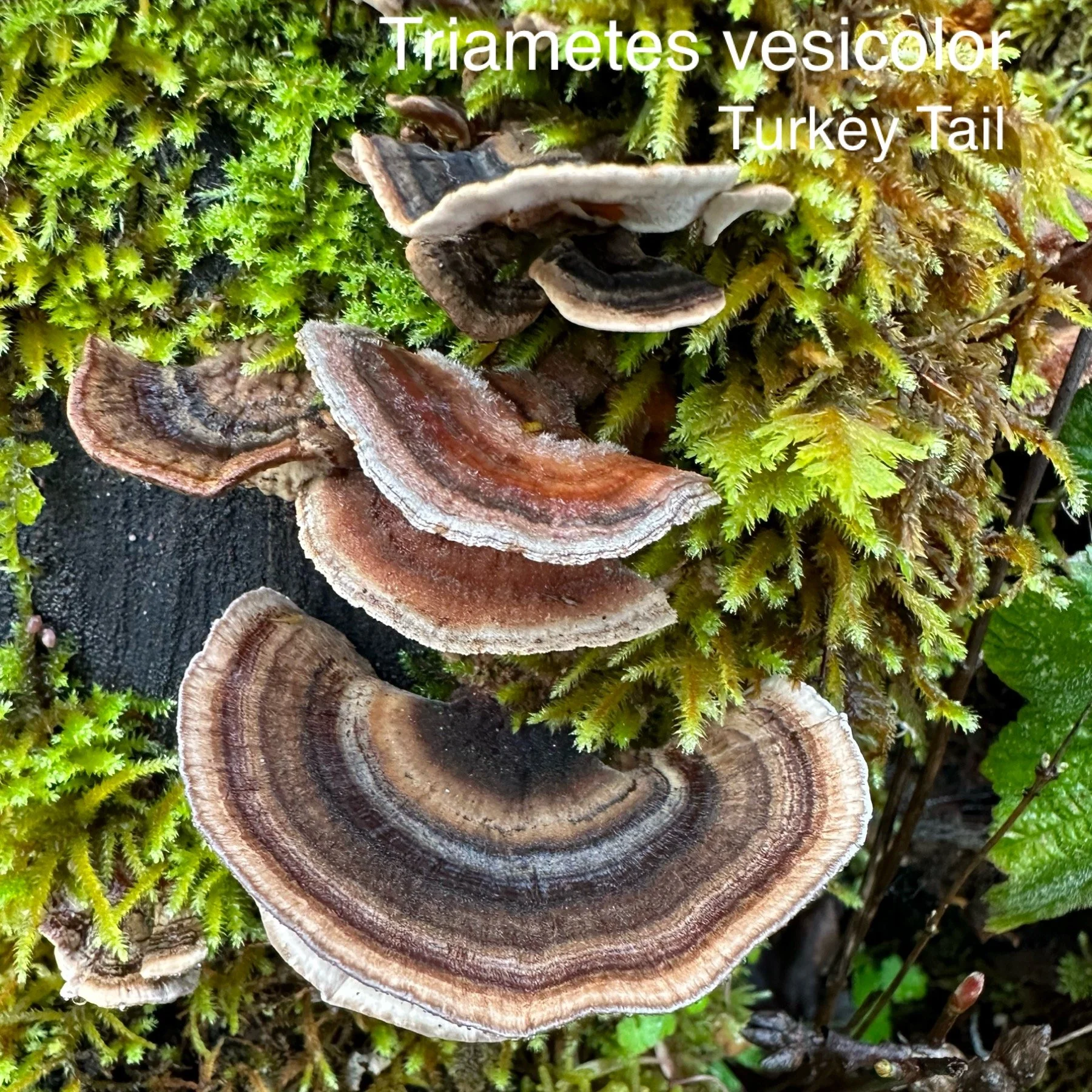
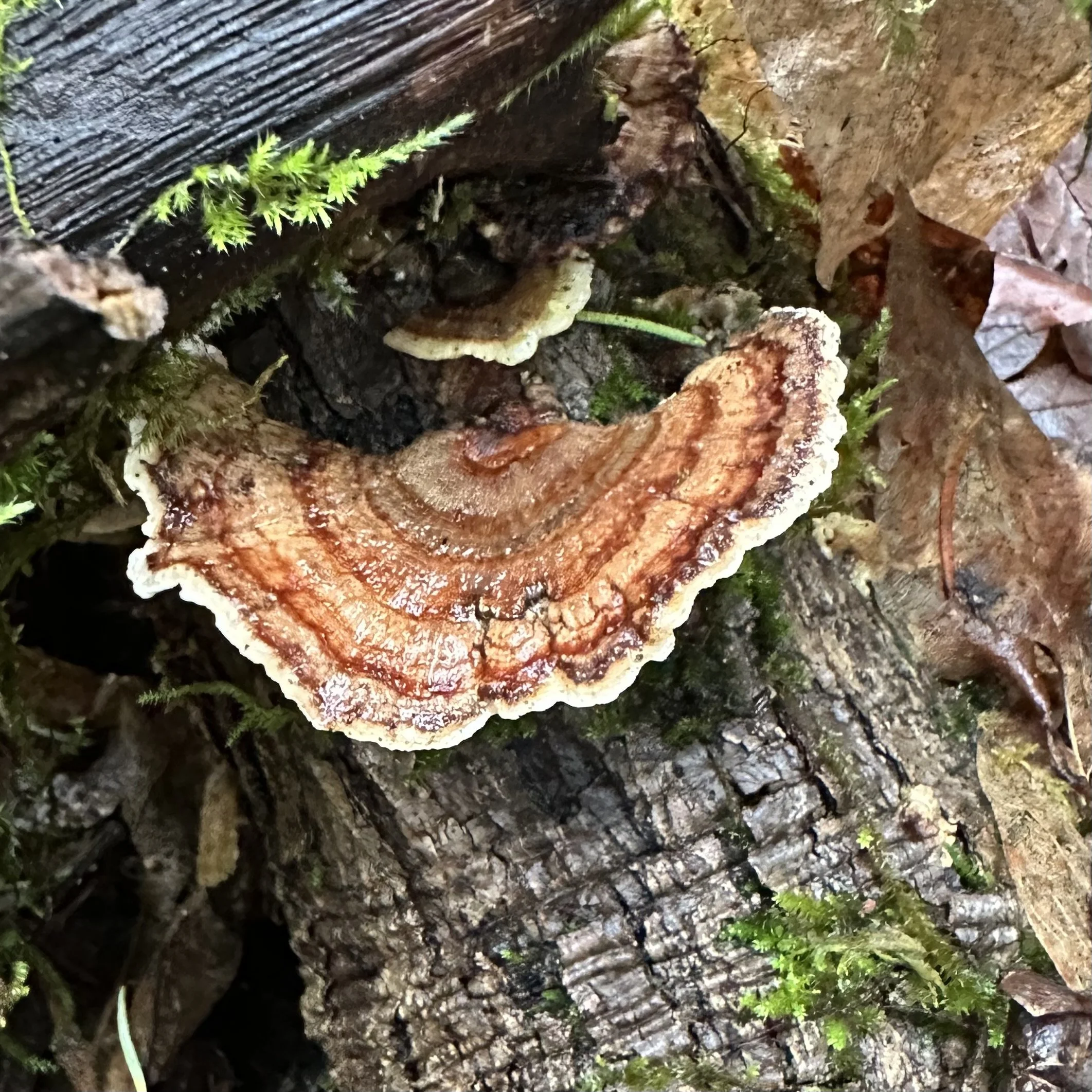
There are, of course, many medicinal fungi as well. One that is both common and remarkable is Trametes versicolor, or Turkey Tail. Often mistaken for a mushroom, it is a polypore fungus recognized by its colorful, fan-shaped form. Rich in polysaccharides such as PSK and PSP, Turkey Tail is well known for its ability to support immune function. Growing on decomposing wood, it plays an essential role in the forest’s cycle of life and decay.
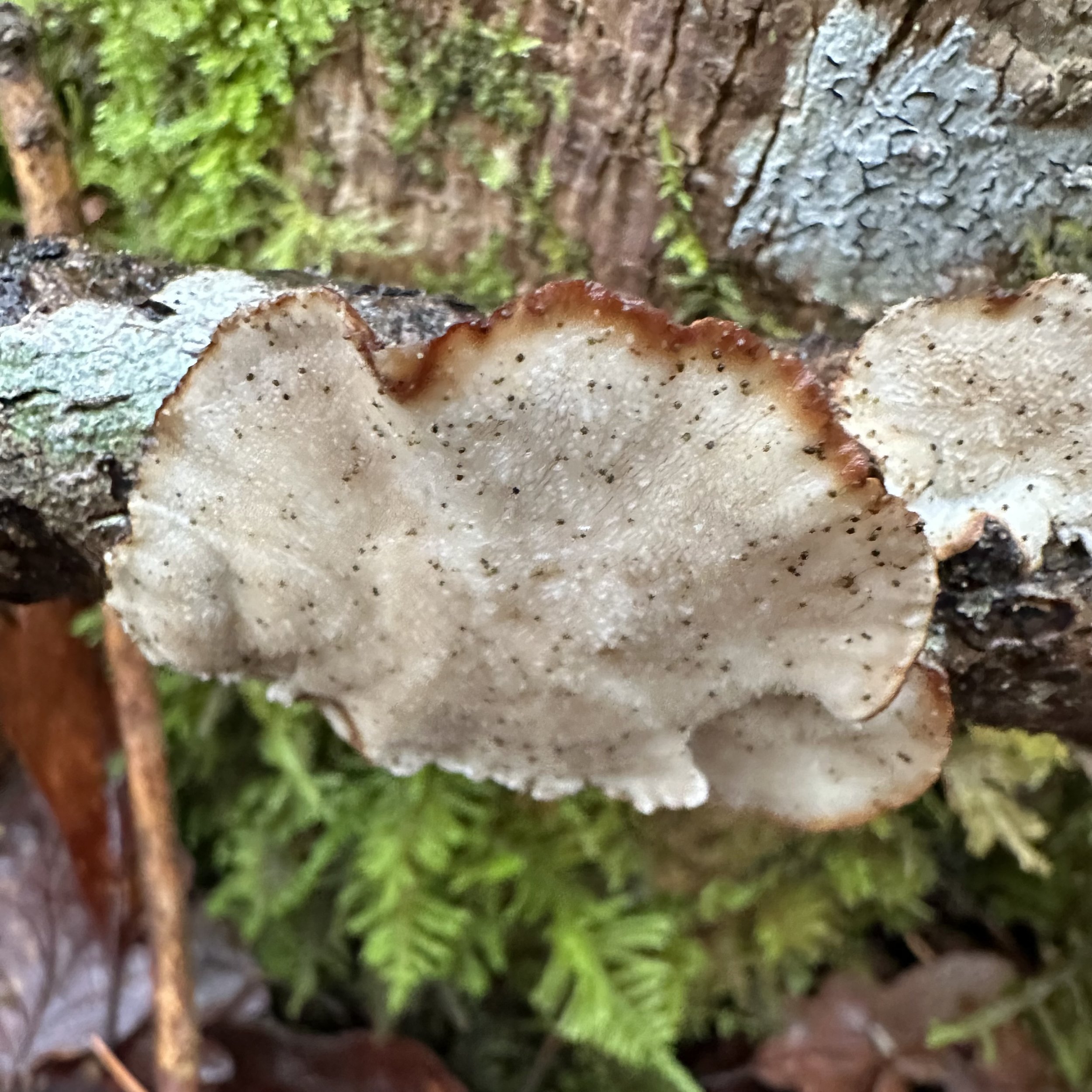
Unlike gilled mushrooms, Turkey Tail has tiny pores on its underside—a key feature for identification. It is far too tough to eat, but makes excellent medicine when prepared as tea, powder, or tincture, often through double extraction.
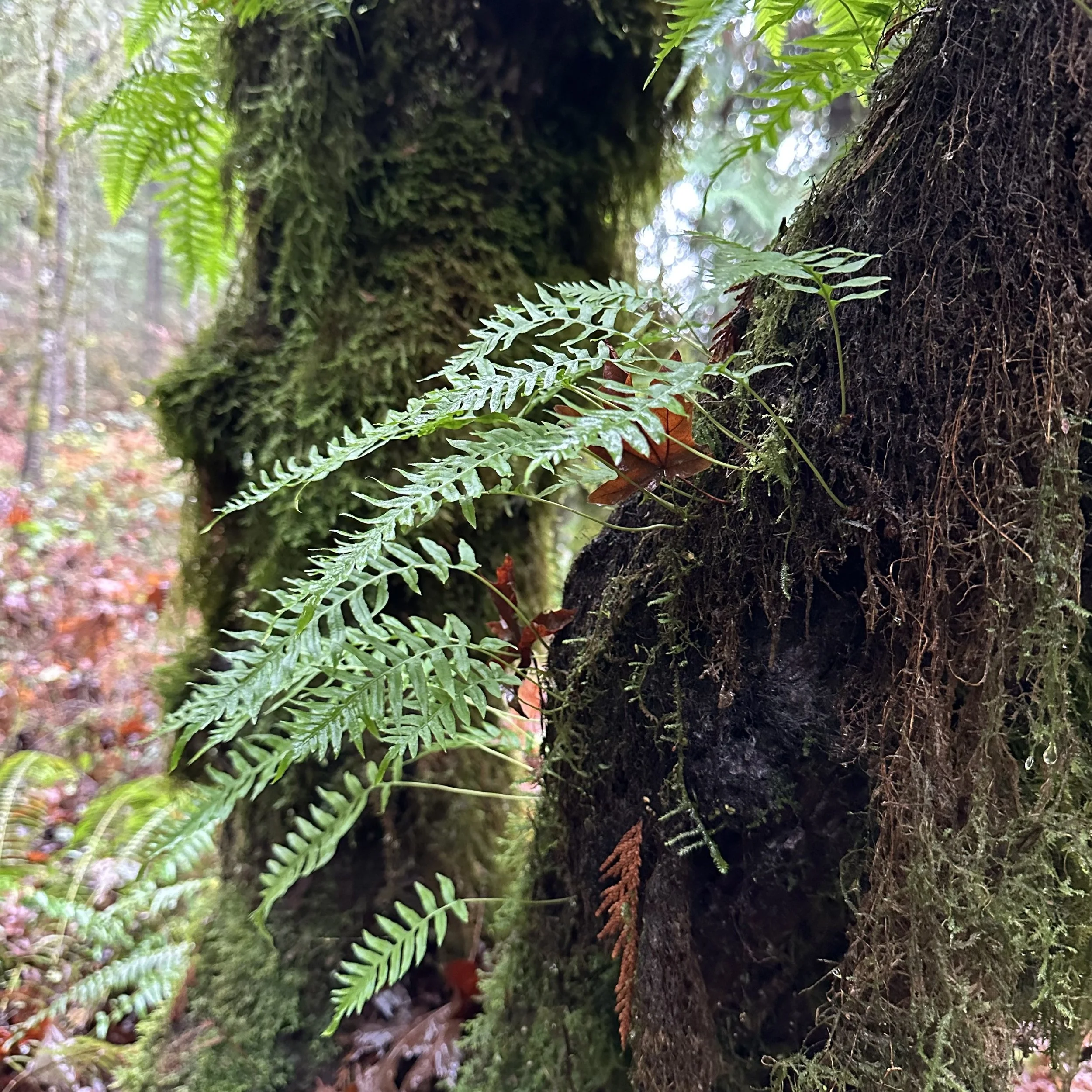
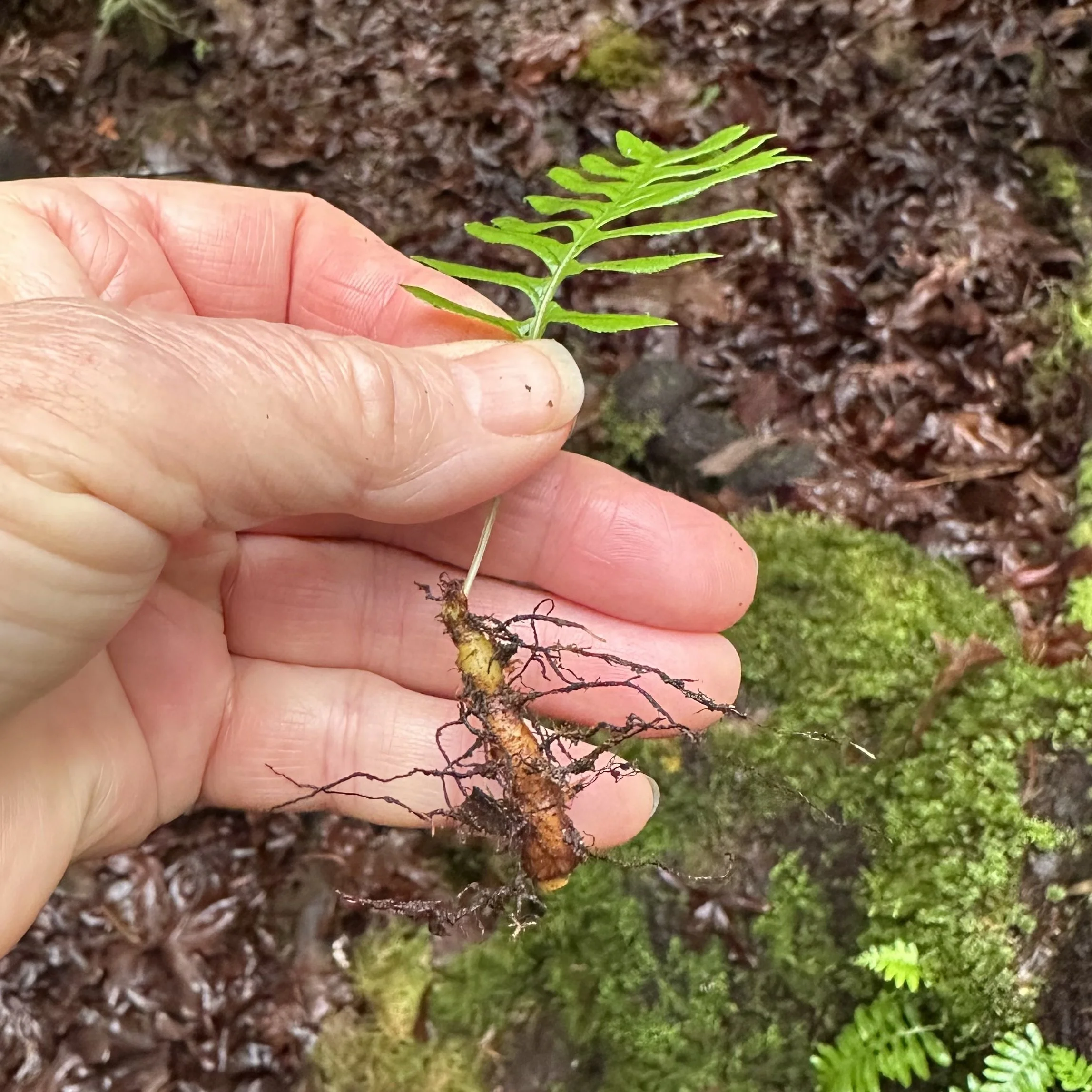
Deeper under the canopy, tucked into the moss of bigleaf maples, we find Licorice Fern—Polypodium glycyrrhiza. Its rhizomes wind quietly through the moss, sometimes appearing on other hardwoods as well. While its doctrine of signatures is less visually obvious, its sweet, licorice-like taste reveals its purpose. Indigenous peoples long ago recognized its affinity for the respiratory system, using it for coughs and sore throats.
“Polypodium” translates to “many feet,” and “glycyrrhiza” to “sweet root.” Tasting Licorice Fern in season brings me back to childhood days spent with my grandparents, who first showed me the magic of the natural world. I harvest it sparingly, despite its abundance here—preferring to experience its sweetness in the moment, letting taste become a bridge to memory. It has a way of calling the ancestors close.
And always, the trees themselves offer medicine.
In my forest pharmacy, Western Red Cedar and Douglas Fir stand as the dominant conifers. Both carry a long history of use in supporting respiratory health and strengthening the immune system. They can be worked with in steam inhalations or infused into oils for topical use. Even simply being among them—forest bathing—shifts the nervous system. Breathing in the out-breath of the trees, rich with phytoncides, nourishes our bodies, steadies the mind, and restores a sense of balance and vitality.
This is only a small glimpse into the respiratory medicines growing within this forest.
Do you know the plants that grow near you?